
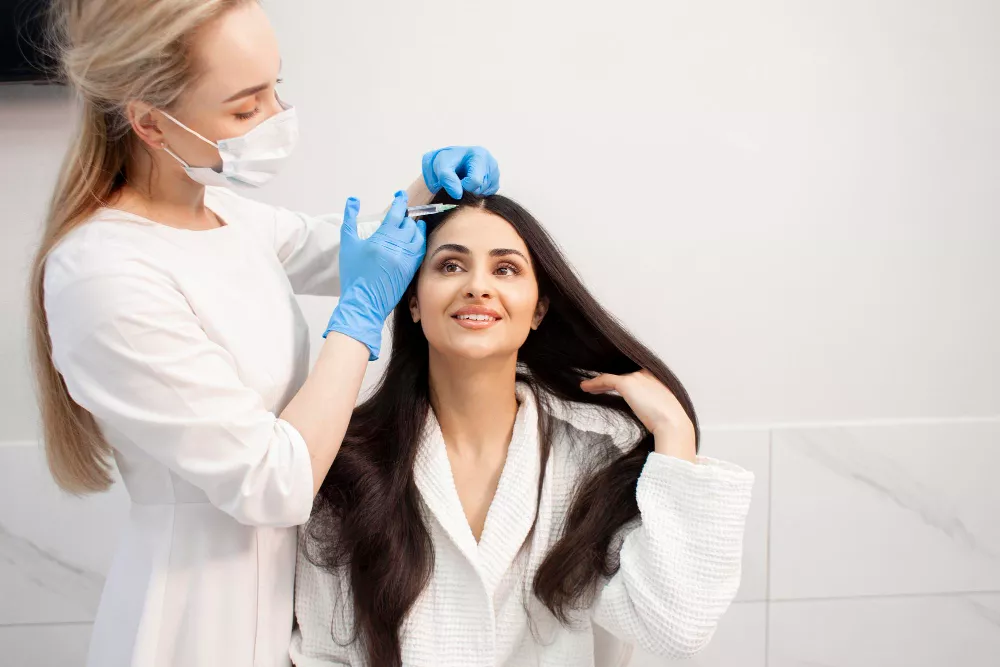
A PRP Hair Training Course is a specialised medical-aesthetic programme that teaches qualified clinicians how to perform Platelet-Rich Plasma therapy for hair restoration. It explains the science behind PRP, including how platelet-rich plasma derived from a patient’s own blood supports hair follicle activity, scalp health and regenerative response. The training follows the full treatment pathway in sequence, starting with patient assessment, consultation and suitability checks, then moving into phlebotomy, centrifugation, plasma preparation, scalp mapping and structured injection protocols. Most courses combine theory with supervised practical instruction so learners understand both the biological mechanism and the technical method behind PRP hair restoration.
The course is mainly designed for regulated healthcare professionals such as doctors, nurses, dentists and pharmacists, because the procedure involves blood handling, sterile technique, scalp injections and clinical judgement. Entry requirements usually include a recognised professional qualification, proof of registration and prior knowledge of anatomy, infection control and patient consent. During training, participants learn key techniques such as blood collection, PRP separation, plasma extraction, micro-injection placement, aseptic practice, aftercare and follow-up planning. Hands-on sessions help practitioners build confidence with the equipment and consumables used in treatment, including centrifuges, PRP tubes, syringes, needles and sharps disposal systems, while also improving procedural accuracy and treatment consistency.
PRP hair training prepares clinicians to deliver a structured non-surgical hair restoration treatment within a medical or aesthetic setting. Most UK courses are delivered in an intensive one to two-day format and usually lead to a course certificate, with some also offering CPD recognition or accredited status. Costs commonly range from £450 to £850 for in-person training, depending on provider, practical depth, trainer expertise and included materials. The best course is one that combines strong clinical teaching, supervised hands-on practice, clear certification, relevant equipment training and direct applicability to modern regenerative hair restoration practice.
What Is a PRP Hair Training Course?
A PRP Hair Training Course is a specialised medical-aesthetic training programme that teaches practitioners how to perform Platelet-Rich Plasma (PRP) therapy for hair restoration. The course explains how autologous blood components stimulate hair follicle activity and improve scalp health. Training normally begins with the clinical foundations of phlebotomy, where practitioners learn how to draw a safe blood sample from a patient under sterile conditions.
The collected blood is then processed through centrifugation, a technique that separates platelet-rich plasma from red blood cells and other components. After preparation, practitioners study structured injection protocols, which determine injection depth, spacing and treatment areas across the scalp. A PRP hair training course therefore combines medical theory, procedural knowledge and hands-on practice so clinicians can safely deliver PRP hair treatments within regulated aesthetic or medical practice settings.
The training programme also focuses on procedural accuracy and treatment standardisation. Students practise correct phlebotomy techniques to minimise discomfort and maintain sterile handling of blood samples. The blood is processed through controlled centrifugation, producing platelet-rich plasma containing concentrated growth factors that support follicular regeneration.
Practical sessions demonstrate how to follow established injection protocols, including scalp mapping, micro-injection placement and dosage distribution. These protocols ensure the PRP solution reaches the dermal layer where hair follicles reside. Most PRP hair training courses combine theoretical instruction with supervised clinical demonstrations so practitioners understand patient assessment, treatment planning and post-procedure care. This structured training ensures the practitioner can perform PRP hair restoration safely, consistently and according to recognised aesthetic medicine standards.
Who Is a PRP Hair Training Course For?
A PRP hair training course is for medical professionals who already work in patient care and want to add hair restoration treatments to their clinical service. This usually includes doctors, nurses, dentists and pharmacists, because they already have knowledge of anatomy, infection control, consent procedures and safe injection practice. In semantic terms, the course fits practitioners who can assess suitability, understand treatment indications and manage complications within a professional setting. The target learner is therefore not a general beauty beginner but a regulated healthcare practitioner. A PRP hair training course is designed for clinicians who want to expand from general medical or aesthetic work into evidence-based scalp and hair regeneration procedures.
The course is especially suitable for including doctors, nurses, dentists and pharmacists who want to diversify their practice with non-surgical hair loss treatment. These groups share core clinical attributes such as patient assessment, record keeping, sterile technique and professional accountability. A doctor may use the course to broaden an aesthetic clinic service, while a nurse may use it to move into advanced injectable treatments. Dentists often enter facial aesthetics and related regenerative procedures and pharmacists may train to offer medically led aesthetic services where regulations allow. The course therefore serves licensed healthcare providers who need both theoretical understanding and practical competence before delivering PRP hair treatment safely and lawfully.
PRP Hair Training Course Requirements
A PRP hair training course requires participants to hold a recognised clinical background and meet specific eligibility conditions before enrolling. Training providers normally restrict entry to medical professionals because the procedure involves blood handling, scalp injections and patient assessment. The minimum requirement is usually a regulated healthcare qualification such as doctors, nurses, dentists or pharmacists who are authorised to perform injectable treatments. These professionals already possess knowledge of anatomy, infection control and consent procedures, which are essential attributes for safe PRP therapy. Many courses also expect participants to understand basic aesthetic medicine principles, patient consultation methods and clinical documentation before beginning practical training in platelet-rich plasma hair restoration techniques.
Typical eligibility requirements for a PRP hair training course include several professional and regulatory conditions. Training providers often request evidence of healthcare credentials before confirming enrolment.
Common requirements include:
- Registration as medical professionals, such as doctors, nurses, dentists or pharmacists
- Proof of professional licence or healthcare qualification
- Knowledge of basic injection techniques and sterile procedures
- Understanding of patient consultation and medical history assessment
- Compliance with clinical safety and infection control standards
These requirements ensure participants already have the clinical competence needed to learn PRP therapy safely. Because PRP treatment involves drawing blood, preparing plasma and performing scalp injections, providers prioritise qualified healthcare practitioners who can follow medical protocols and deliver treatment within professional healthcare regulations.
What You Learn on a PRP Hair Training Course?
A PRP hair training course teaches the scientific principles and clinical procedures used in platelet-rich plasma hair restoration. Training begins with the biological basis of PRP therapy, including how platelets release growth factors that stimulate hair follicles and support scalp regeneration. Participants learn patient consultation, hair loss assessment and treatment planning. The course also explains safe blood handling, sterile clinical practice and risk management. Through demonstrations and guided practice, clinicians understand how PRP is prepared, how injections are administered across the scalp and how treatment sessions are structured to achieve consistent therapeutic outcomes.
Most programmes combine theory with hands-on instruction so practitioners gain practical competence. Core training areas usually include:
- Patient assessment and consultation for different types of hair loss
- Blood collection procedures and sterile handling techniques
- PRP preparation methods and plasma separation
- Scalp injection techniques and treatment pattern mapping
- Treatment planning and session intervals for optimal results
- Post-treatment care and patient follow-up
This structured training ensures practitioners understand the full PRP treatment process, from patient evaluation to procedure delivery and aftercare management.
What PRP Hair Training Course Techniques Are Taught During Training?
A PRP hair training course teaches the practical techniques used to deliver platelet-rich plasma treatment safely and accurately for hair restoration. Training covers the full procedural pathway, from patient preparation to scalp treatment. Learners study blood collection, plasma preparation and controlled application methods used in clinical practice. The course explains how each step connects, so practitioners understand not only the treatment sequence but also the technical purpose behind it. This creates a structured link between preparation, precision and treatment outcome in PRP hair restoration.
The main techniques taught during training usually include:
- Patient consultation and scalp assessment
- Blood draw and sample handling
- Centrifuge use for PRP separation
- Plasma extraction and preparation
- Scalp mapping and injection point planning
- Micro-injection technique across thinning areas
- Aseptic technique and infection control
- Post-treatment care and follow-up planning
These techniques are taught as part of a complete clinical method rather than as isolated steps. A PRP hair training course shows how consultation, preparation and injection work together within one treatment protocol. Learners practise precise handling, correct spacing and consistent delivery so the platelet-rich plasma reaches the target scalp tissue. Training also includes safety-focused methods such as sterile field control, sharps handling and patient aftercare guidance. This combination of technical skill and procedural accuracy prepares clinicians to perform PRP hair treatment in a safe, repeatable and professional way.
How PRP Hair Training Course work for Hair Restoration?
A PRP hair training course explains how platelet-rich plasma therapy supports hair restoration by using the patient’s own blood components to stimulate scalp activity. The course teaches the biological process behind treatment, especially how concentrated platelets release growth factors that support follicle function, improve blood supply and encourage a healthier scalp environment. In semantic terms, the course links cause, process and result: blood is collected, plasma is prepared, the scalp is treated and the hair follicles receive regenerative support. This helps learners understand how PRP works as a non-surgical treatment for thinning hair and pattern hair loss.
The course usually teaches the treatment pathway step by step:
- Patient assessment: Learners identify suitable candidates by reviewing hair loss pattern, scalp condition and medical history.
- Blood collection: A small blood sample is taken using sterile clinical technique before PRP preparation begins.
- Plasma separation: The blood is spun in a centrifuge so platelet-rich plasma can be isolated from other components.
- PRP preparation: The concentrated plasma is drawn into syringes for precise application to the scalp.
- Scalp injection: PRP is injected into thinning areas to target weakened follicles and support regeneration.
- Aftercare planning: Patients receive guidance on recovery, follow-up and treatment intervals for continued results.
A PRP hair training course therefore works for hair restoration by teaching both the mechanism and the method. It shows how platelet concentration, scalp injection and treatment planning combine within one clinical procedure. Learners understand that PRP does not simply cover hair loss; it aims to improve the biological environment around the follicle. By connecting consultation, preparation, injection and follow-up, the course gives practitioners a complete framework for delivering PRP hair restoration safely, consistently and in line with medical-aesthetic practice.
PRP Hair Training Course Practical Training and Hands-On Experience
PRP hair training course includes practical training and hands-on experience so learners can move from theory into real clinical application. This part of the course focuses on procedural competence, treatment flow and technical precision. Instead of only studying platelet-rich plasma in a classroom setting, participants practise each stage of the procedure under supervision. The training links knowledge with action, so clinicians understand how consultation, preparation and injection work together in a treatment setting. This practical element helps build confidence, improve accuracy and strengthen safe working habits before offering PRP hair restoration to patients.
During the hands-on experience element, learners usually perform or observe key stages of the treatment process in a controlled clinical environment. This includes patient assessment, blood collection, centrifuge preparation, plasma handling and scalp injection technique. Practical teaching allows participants to understand needle placement, injection spacing and sterile workflow through direct experience rather than description alone.
Which devices, consumables, and equipment are used in PRP Hair Training Course?
A comprehensive Platelet-Rich Plasma (PRP) Hair Training Course typically includes specialised equipment to isolate growth factors from a patient’s blood and prepare them for scalp treatment. The training covers the clinical tools used throughout the procedure, from blood collection to plasma injection. Learners are introduced to the functional relationship between device, consumable and treatment stage, so they understand not only what is used but why it is used. This creates a clear link between preparation, precision and safety in PRP hair restoration.
The course usually includes the following devices, consumables and equipment:
- Centrifuge machine: Spins the blood sample to separate platelet-rich plasma from other blood components.
- PRP tubes or collection tubes: Hold the blood safely during collection and processing.
- Syringes and needles: Used for both blood draw and scalp injection during the treatment procedure.
- Butterfly needles or vacutainer sets: Support controlled and efficient blood collection.
- Gloves, wipes and antiseptic solution: Maintain hygiene, aseptic practice and infection control.
- Sharps bin and clinical waste supplies: Ensure safe disposal of used needles and contaminated items.
Training also explains how these items work together within one clinical system. The centrifuge acts as the processing device, the tubes and syringes function as procedural consumables and the hygiene items support sterile technique. Some courses also introduce scalp marking tools, gauze, trays and PRP preparation kits to improve treatment organisation.
PRP Hair Training Course Format and Duration
PRP hair training courses typically consist of a 1 to 2-day intensive format (approx. 8 hours) that combines theoretical teaching with practical instruction. The course structure is designed to move from foundational knowledge to clinical application within a short, focused timetable. In most cases, the format includes a classroom-based theory session, live demonstration and supervised hands-on practice. This compact delivery model suits qualified clinicians who need efficient professional training without a long academic schedule. The course duration therefore reflects its purpose: concentrated, skills-based education for safe and structured PRP hair restoration practice.
The course format usually follows a logical training sequence. Learners first study PRP theory, hair loss assessment, patient suitability and treatment planning. The programme then progresses to blood collection, centrifuge preparation, plasma handling and scalp injection technique. This creates a direct semantic link between knowledge, procedure and application. Some providers deliver training in small groups to allow closer supervision and better practical support. Others may offer blended learning, where online theory is completed before the in-person practical day.
How PRP Hair Training Applies in Real Hair Restoration Practice?
Platelet-Rich Plasma (PRP) hair training applies in real hair restoration practice by turning clinical theory into a repeatable treatment process used in everyday patient care. The training teaches practitioners how to assess hair loss, prepare platelet-rich plasma and deliver scalp injections within a structured medical setting. In real practice, this means the course content is not isolated knowledge but a working method. It connects consultation, diagnosis, treatment delivery and follow-up into one clinical pathway. This makes PRP hair training directly relevant to practitioners who provide non-surgical hair restoration as part of an aesthetic, medical or regenerative service.
In practical settings, the training supports real treatment delivery through clear clinical stages:
- Patient consultation: Practitioners assess scalp condition, hair thinning pattern and suitability before treatment begins.
- Treatment planning: Clinicians decide injection areas, session intervals and overall restoration strategy.
- PRP preparation: Blood is processed correctly so platelet-rich plasma is ready for therapeutic use.
- Scalp injection: PRP is placed into target areas where weakened follicles need regenerative support.
- Aftercare and review: Follow-up helps monitor response, recovery and the need for future sessions.
The course also applies in real hair restoration practice by improving consistency, safety and professional judgement. A trained practitioner does not only know the procedure; they understand when to use it, how to adapt it and how to manage the full treatment pathway.
PRP Hair Training Course Certification and Accreditation
PRP Hair Training Course Certification and Accreditation are important quality markers that show whether a training provider has delivered structured education and whether the course meets recognised professional standards. In simple terms, certification refers to the document awarded to the learner after successful completion, while accreditation refers to external approval or recognition of the course itself. These two concepts are related but not identical. Within a PRP hair training context, they help connect training quality, practitioner competence and professional credibility. This makes them relevant for clinicians who want evidence of training completion and a clearer route into regulated aesthetic or medical practice.
In practical terms, certification and accreditation often cover different attributes of the course:
- Course certificate: Confirms that the learner has attended and completed the PRP hair training programme.
- Practical competency sign-off: Shows that hands-on skills were observed and assessed during supervised training.
- Accredited course status: Indicates that the training has been reviewed or recognised by an external body or framework.
- CPD recognition: Links the course to continuing professional development for ongoing clinical learning.
- Trainer credentials: Reflects the expertise and professional background of the person delivering the course.
How Much Does a PRP Hair Training Course Cost?
PRP hair training courses generally cost between £450 and £850 for most UK in-person options, while lower-cost online theory courses and higher-priced combined programmes sit outside that middle band. Current examples include £450 at Empire Aesthetics Academy, £594 with Cosmetic Courses, £600 + VAT with Derma Institute, £599 with House of Medical Aesthetics and £849 with Skinovation Aesthetics. At the lower end, Cosmetic Courses lists an online PRP hair rejuvenation course at £200, while Aesthetics Lounge Academy lists a combined PRP facial and hair restoration course at £1,199 including VAT.
How to Choose the Best PRP Hair Training Course?
Choosing the best Platelet-Rich Plasma (PRP) hair training course requires careful review of the course structure, trainer quality and practical depth. The strongest course does more than explain PRP theory; it provides a clear route from consultation to blood collection, centrifugation, scalp injection and aftercare. In semantic terms, the course entity should match the learner’s clinical background, treatment goals and scope of practice. A good provider presents the full treatment workflow, not isolated steps. This helps medical professionals judge whether the training delivers real procedural competence, not only attendance-based certification.
Key Factors for Choosing the Best PRP Hair Training Course:
- Eligibility requirements: The course should clearly state who the training is for, such as doctors, nurses, dentists or pharmacists.
- Trainer credentials: The trainer should have direct experience in PRP, hair restoration and supervised clinical teaching.
- Hands-on practical training: Practical work should include live demonstration and supervised scalp injection experience.
- Phlebotomy inclusion: Blood draw training should be included or clearly listed as a required pre-course skill.
- Accreditation and certification: The course should offer recognised certification and clear information on course approval.
- Small group size: Smaller groups improve supervision, feedback and treatment accuracy during practical sessions.
- Equipment and consumables: The provider should teach with the actual centrifuge, tubes, needles and PRP kits used in practice.
- Clear pricing: The fee should show exactly what is included, such as models, materials, support and VAT.
The best PRP hair training course is the one that aligns quality, safety and clinical relevance.
Where PRP Hair Training Fits in Modern Hair Restoration?
PRP (Platelet-Rich Plasma) hair training fits into modern hair restoration as a clinically focused, non-surgical treatment pathway within regenerative and aesthetic practice. It sits between diagnosis and intervention, linking patient assessment with biological treatment rather than cosmetic concealment. In semantic terms, PRP training belongs to the wider hair restoration framework that includes scalp analysis, treatment planning, follicular support and ongoing review. The course prepares clinicians to use autologous plasma as a supportive therapy for thinning hair and pattern loss. This places PRP within modern practice as a procedural option that complements broader medical hair restoration services.
Where PRP Training Fits in Modern Practice:
- Non-surgical hair restoration: PRP supports hair treatment without surgery, graft placement or invasive transplant procedures.
- Regenerative aesthetics: It belongs to regenerative medicine because it uses the patient’s own blood-derived growth factors.
- Adjunctive treatment planning: PRP often supports wider care plans alongside scalp therapy, medication pathways or maintenance protocols.
- Clinic-based procedural care: The treatment fits well in medical, aesthetic and specialist hair clinics with trained practitioners.
- Early-stage intervention: It is commonly used where follicles remain active but need biological stimulation and support.
PRP vs mesotherapy for hair loss
Platelet-Rich Plasma (PRP) and Mesotherapy are both effective non-surgical treatments for hair loss but the strength of evidence is not the same. PRP uses the patient’s own concentrated platelets, while mesotherapy delivers injected solutions such as vitamins, peptides, growth factors or drugs. Both are clinic-based injectable therapies, yet they differ in biological source, formulation and standardisation.
Key Differences Between PRP and Mesotherapy:
- Treatment source: PRP is autologous, meaning it is prepared from the patient’s own blood, while mesotherapy depends on externally prepared injection formulas.
- Injected content: PRP delivers concentrated platelets and growth factors, whereas mesotherapy may contain dutasteride, vitamins, peptides or mixed active ingredients.
- Evidence strength: PRP has stronger and more consistent trial and meta-analysis support for pattern hair loss; mesotherapy has smaller, more heterogeneous studies and less protocol consistency.
- Standardisation: PRP protocols still vary but mesotherapy varies even more because the formula, dose and schedule often change between clinics and studies.
- Guideline position: Some expert guidance states that vitamin-based mesotherapy, such as biotin mixtures, has not demonstrated efficacy, which makes it less established than PRP.
- Safety profile: PRP usually causes temporary injection-site effects such as pain, bleeding or itching, while mesotherapy studies also report pain and other adverse effects, with safety depending on the ingredients used.
PRP vs microneedling-based hair treatments
Both Platelet-Rich Plasma (PRP) and microneedling are effective, minimally invasive treatments for hair loss but they work through different therapeutic mechanisms. PRP is a biologic injectable prepared from the patient’s own blood and used to deliver platelet-derived growth factors into the scalp. Microneedling creates controlled micro-injuries in the scalp, which may stimulate repair pathways and can also improve penetration of topical treatments.
Key Differences Between PRP vs microneedling-based hair treatments
| Feature | PRP | Microneedling |
| Treatment source | Uses autologous platelet-rich plasma from the patient’s own blood. | Uses a mechanical device with fine needles to create controlled scalp microchannels. |
| Core mechanism | Delivers concentrated growth factors to support follicular activity and hair density. | Stimulates wound-healing pathways and may enhance topical drug delivery. |
| How treatment is given | Requires blood draw, preparation and scalp injections. | Performed with a roller, stamp or pen-like needling device over the scalp. |
| Evidence position | Supported by multiple reviews, though protocols remain heterogeneous. | Favourable results reported but evidence quality is lower and methods vary widely. |
| Best clinical role | Often used as a regenerative procedure in its own right. | Commonly used as an adjunct to treatments such as minoxidil. |
| Practical burden | More equipment-intensive because it needs blood handling and centrifugation. | Simpler setup but still technique-dependent and protocol-sensitive. |
PRP is better understood as a regenerative injectable treatment, while microneedling is a stimulation and delivery-based technique. PRP usually involves more clinical preparation, whereas microneedling is procedurally simpler. For androgenetic alopecia, microneedling often appears strongest when combined with another therapy rather than used alone.
PRP vs exosome-based hair therapies
Platelet-Rich Plasma (PRP) and Exosome-based hair therapies are both non-surgical, regenerative treatments for hair loss but they differ in maturity, source material and regulatory status. PRP is autologous, meaning it comes from the patient’s own blood, while exosome therapy uses extracellular vesicles derived from donor or laboratory-prepared cellular sources. PRP is already supported by multiple systematic reviews in androgenetic alopecia, whereas exosome therapy remains earlier-stage and more experimental.
Key Differences Between PRP vs exosome-based hair therapies
| Feature | PRP | Exosome-based hair therapies |
| Biologic source | Prepared from the patient’s own blood after centrifugation. | Uses extracellular vesicles collected from external cell sources rather than the patient’s own blood. |
| Evidence base | Supported by multiple reviews and meta-analyses showing improvement in hair density in androgenetic alopecia, despite heterogeneity. | Early studies and reviews report promise but the total clinical dataset is much smaller. |
| Clinical maturity | More established in hair-restoration clinics as a regenerative injectable option. | Still emerging and generally viewed as investigational or experimental. |
| Standardisation | PRP preparation varies by centrifuge system, platelet concentration and injection schedule. | Exosome therapy varies even more because source, purification, dose and product quality are not consistently standardised. |
| Regulatory position | PRP is usually used as an autologous procedure within clinical practice. | The FDA states there are currently no FDA-approved exosome products. |
| Safety interpretation | Usually associated with procedure-related effects such as injection discomfort, with known autologous sourcing. | Reviews found rare side effects in hair studies but broader dermatology reports include serious adverse events and regulators have raised compliance concerns about marketed exosome products. |
PRP fits current hair restoration as a better-established regenerative procedure, while exosome therapy fits as a newer, less validated option with stronger theoretical appeal than proven long-term certainty. For a modern evidence-led comparison, PRP currently holds the stronger clinical position, while exosome therapy remains promising but not yet equally established.
PRP as part of non-surgical hair restoration
Platelet-Rich Plasma (PRP) is a non-surgical hair restoration treatment that uses the patient’s own concentrated platelets to support follicular activity, improve scalp biology and encourage hair density in appropriate cases. Within modern practice, it sits alongside other non-surgical options as a regenerative procedure rather than a surgical replacement method.
PRP fits best as part of a broader non-surgical strategy, where consultation, diagnosis, treatment selection and follow-up work together. It is not a stand-alone cure for every hair-loss type but a supportive option within a wider therapeutic pathway. Current reviews describe the potential benefit, while also noting heterogeneity in protocols and the need for stronger standardisation.
Why clinics add PRP hair services to treatment menus?
Clinics add Platelet-Rich Plasma (PRP) hair services to their treatment menus because PRP fits current demand for non-surgical, clinic-based hair restoration. It expands the treatment range without moving into transplant surgery and allows clinics to offer a regenerative option for patients with thinning hair.
Here is why clinics add PRP to their menus:
- Non-surgical demand: PRP gives clinics a minimally invasive option for patients seeking hair restoration without surgery.
- Service expansion: It broadens the treatment menu and strengthens the clinic’s hair-loss pathway.
- Clinical compatibility: PRP fits well within aesthetic, medical and regenerative practice settings.
- Repeat treatment model: The service supports follow-up care and ongoing treatment planning.
- Patient appeal: Many patients value autologous treatments that use their own blood-derived plasma.
PRP also helps clinics connect consultation, treatment and review within one structured service line. It is not only an additional procedure but part of a wider non-surgical hair restoration model. This makes the treatment menu more complete, more competitive and more aligned with patients seeking conservative, regenerative and medically supervised hair-loss care.
What Happens After You Complete PRP Hair Training?
After completing PRP hair training, the next stage is clinical implementation. The course moves from education into practice, where the practitioner applies consultation skills, treatment planning and procedural knowledge in a real service setting.
Starting to Offer PRP Hair Treatments in Practice
The first step after training is to introduce PRP hair treatments into clinical practice in a controlled and professional way. This means selecting suitable patients, preparing the treatment environment and following the same procedural sequence taught during training. The aim is not only to perform treatment but to deliver it with consistency, safety and clinical confidence.
Building Consultation and Treatment Protocols
After training, practitioners need clear consultation and treatment protocols so each patient journey follows a repeatable standard. These protocols usually cover suitability screening, consent, medical history, scalp assessment, treatment intervals and aftercare. This creates a logical relationship between assessment, decision-making and procedure delivery, which strengthens both patient safety and clinic organisation.
Setting Pricing and Patient Expectations
Once the service is ready, the clinic must define pricing and manage patient expectations clearly. Price setting usually reflects treatment time, consumables, practitioner expertise and follow-up structure. Expectations should remain realistic, with clear explanation of what PRP supports, how many sessions are usually needed and why outcomes vary between patients and hair-loss patterns.
Combining PRP with Other Clinic Services
PRP hair treatment often works best when positioned alongside other clinic services rather than in isolation. It can sit within a wider non-surgical hair restoration pathway that includes consultation, scalp care, review appointments and related aesthetic or regenerative treatments. This expands the service menu while creating stronger links between diagnosis, maintenance and ongoing patient care.
Further Mentoring and Advanced Regenerative Training
Completing an entry-level course is often the start, not the endpoint, of clinical development. Many practitioners continue with mentoring and advanced regenerative training to improve technique, expand case confidence and refine treatment judgement. This progression adds depth to the original training and supports long-term competence in modern hair restoration practice.